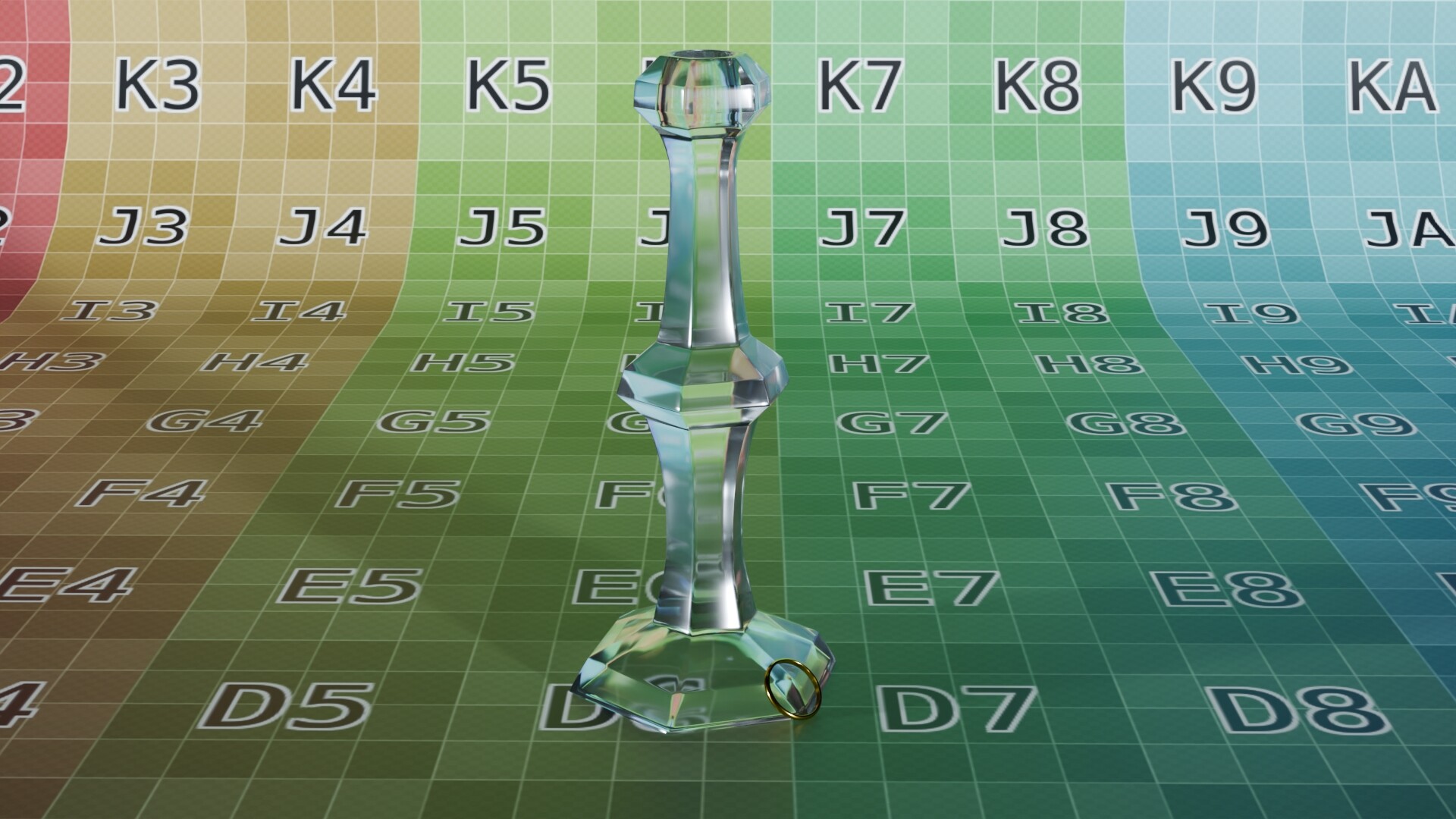
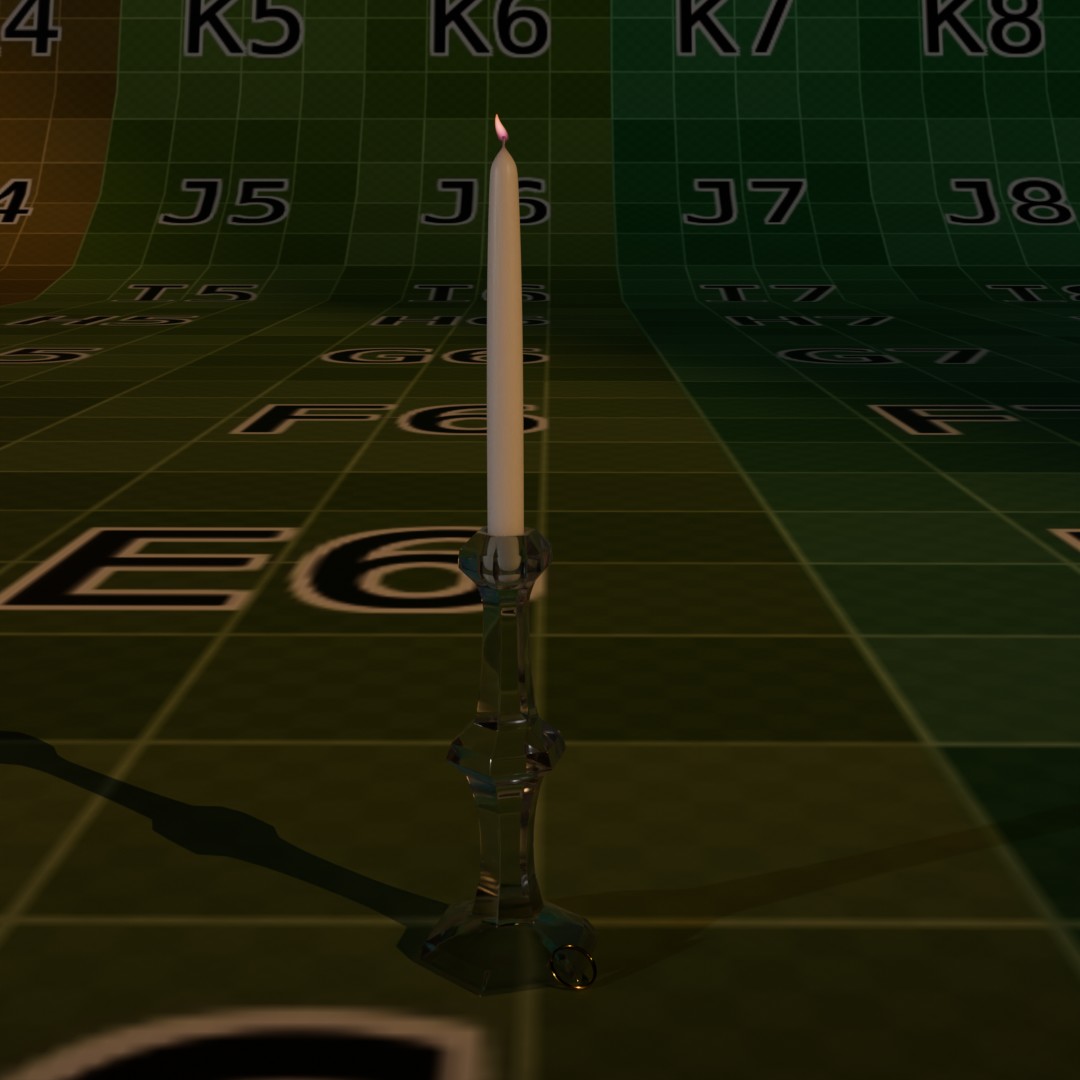
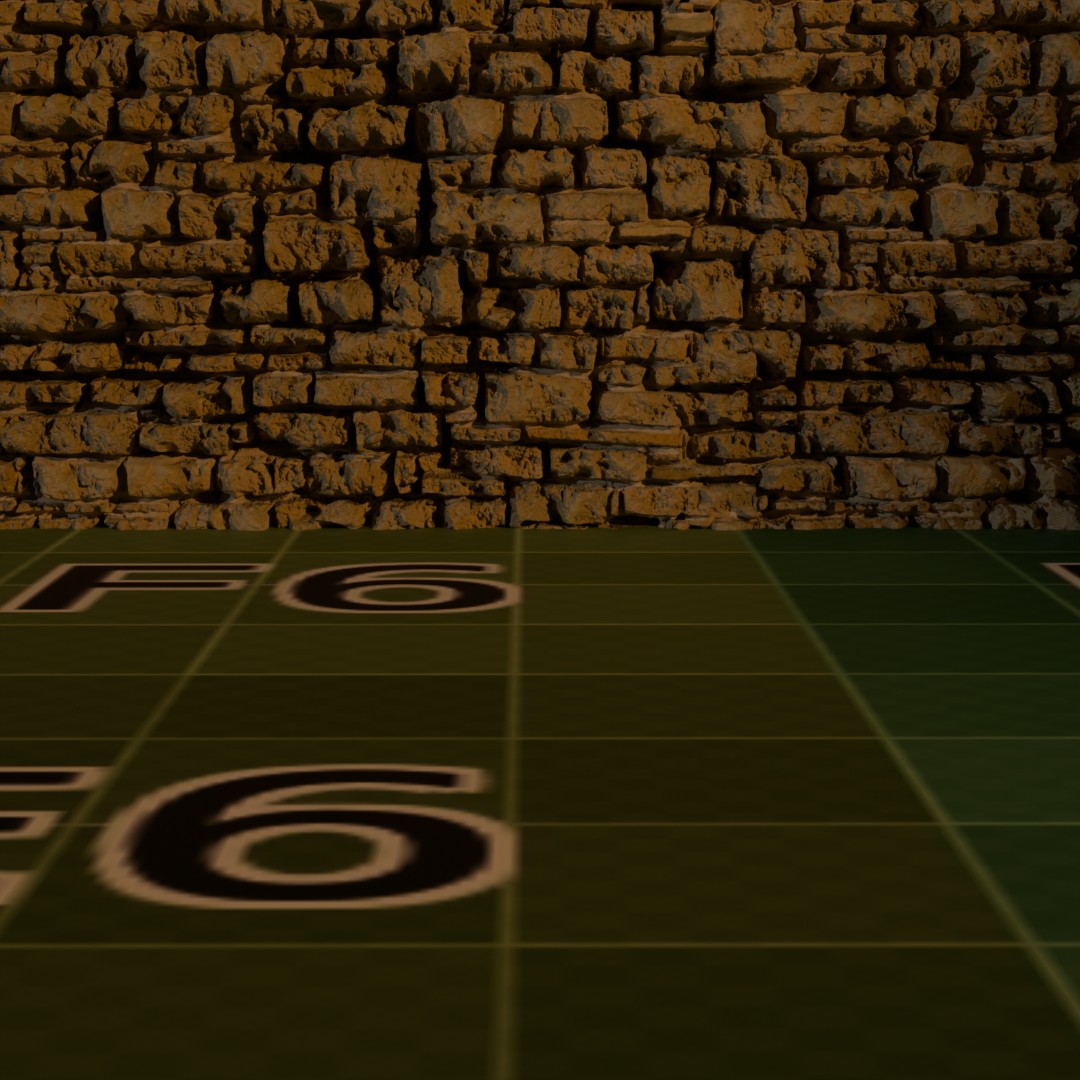
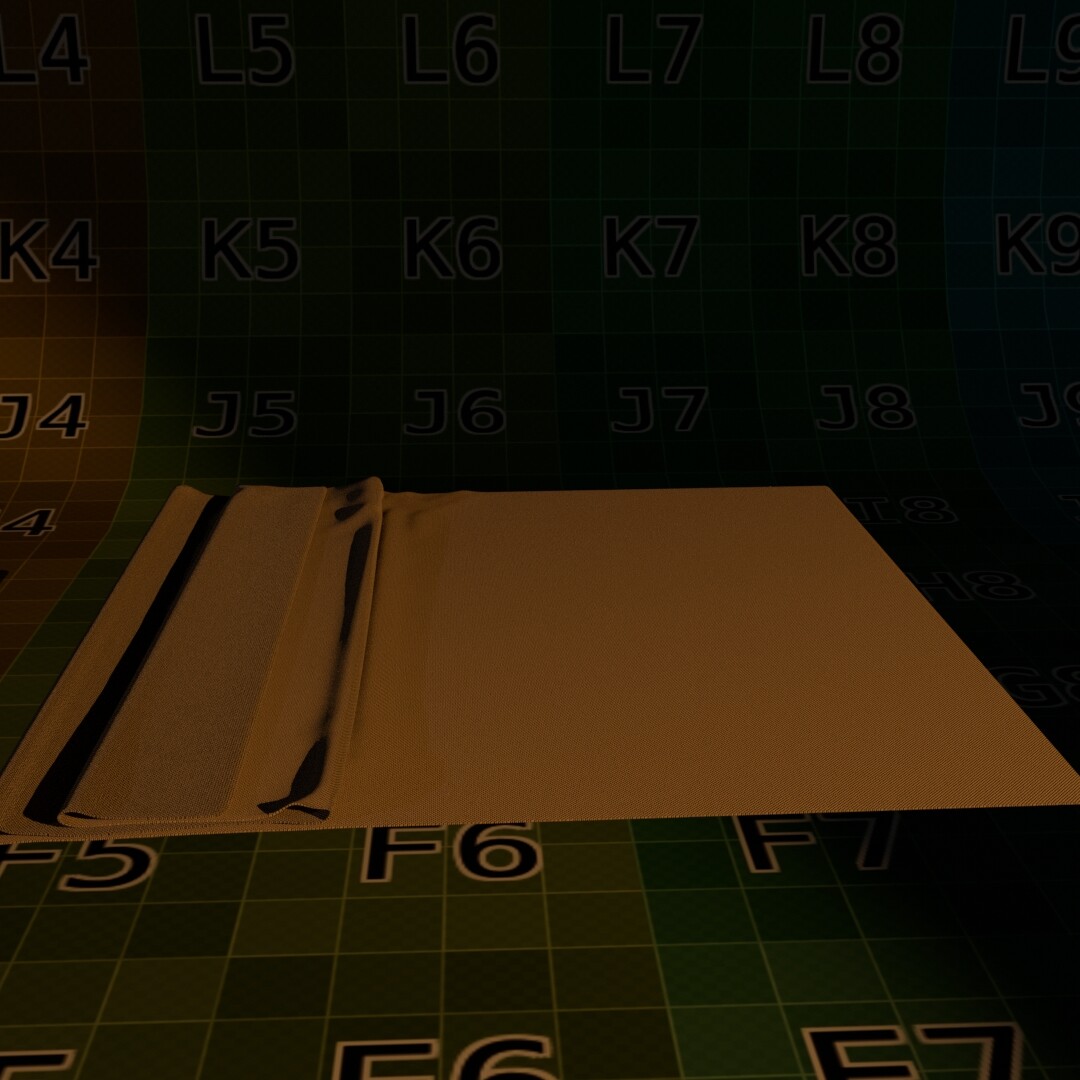
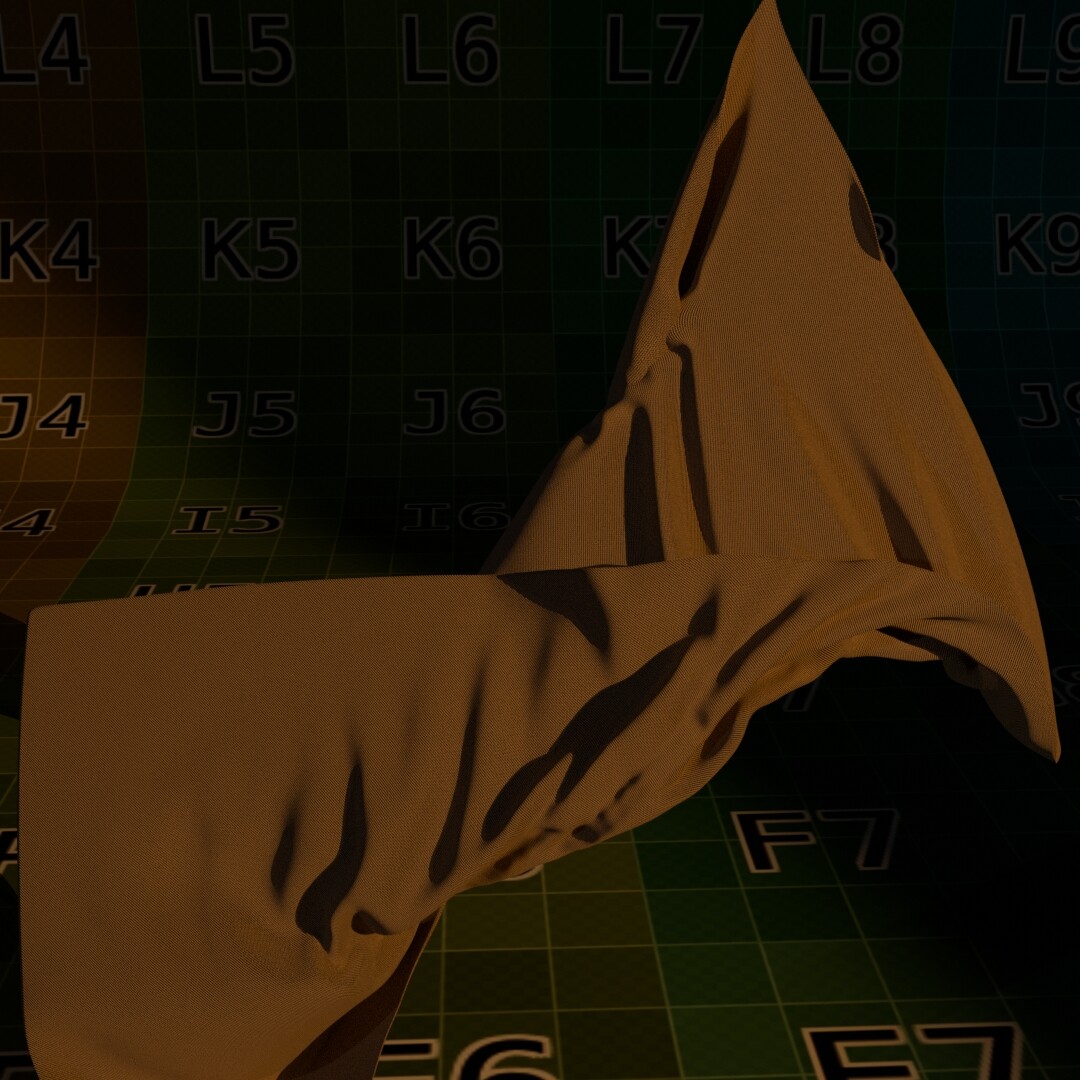
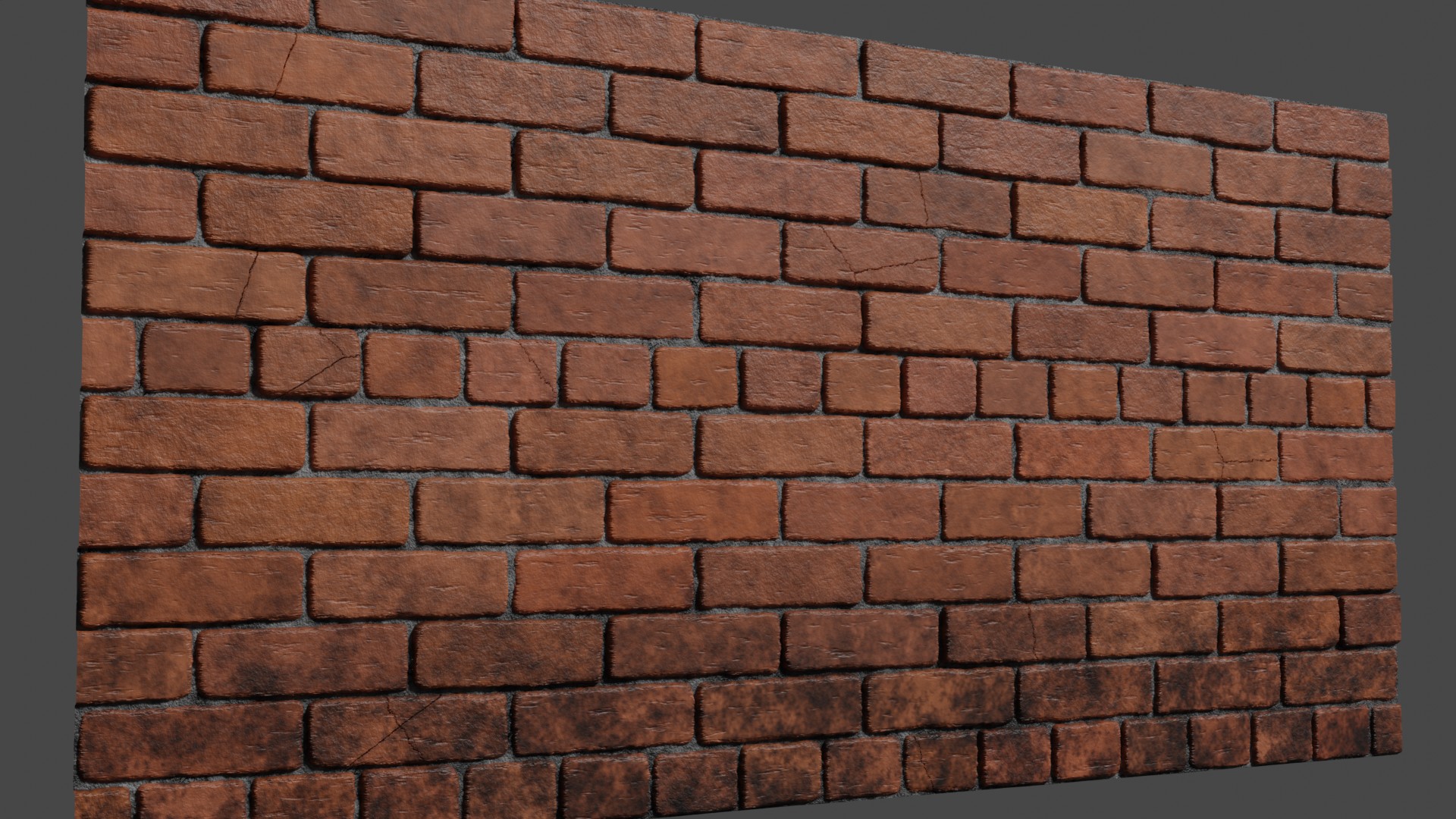
Good textures, and flame. I tried a better flame as it was far more important than the wax! Lol. Not as good as yours though, I tried to make it without volume, just mesh and materials.
Thanks.
Now you got me thinking what the best way to make a flame using just the surface output.
My first thought would be to just use an image texture on a plane… I might try a few ways of doing it after I finish the course.
I had an idea of another way of doing this, so I tried it, and I think it turned out pretty well.
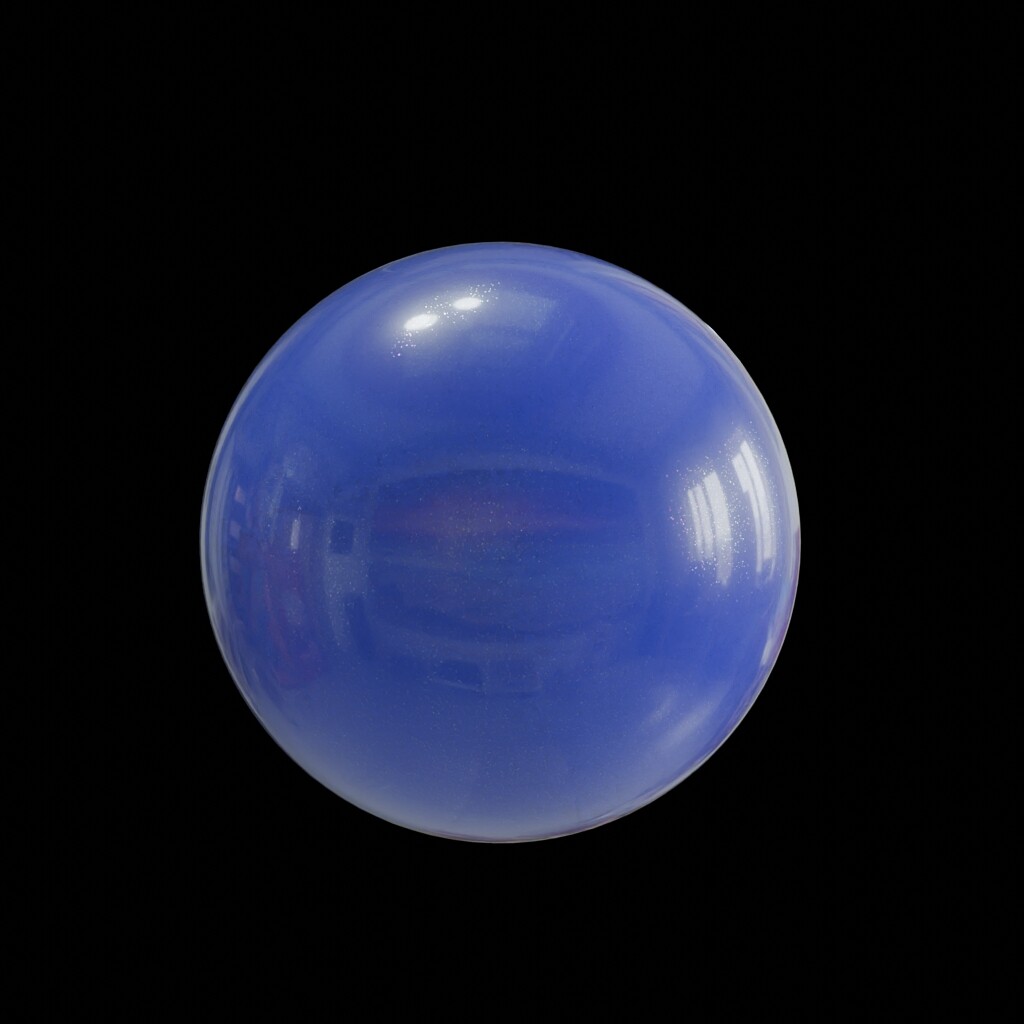
I used a voronoi texture instead of a noise texture, then plugged it into a white noise texture. I used the color of the white noise to offset the normals, which I think makes it feel more sparkly.
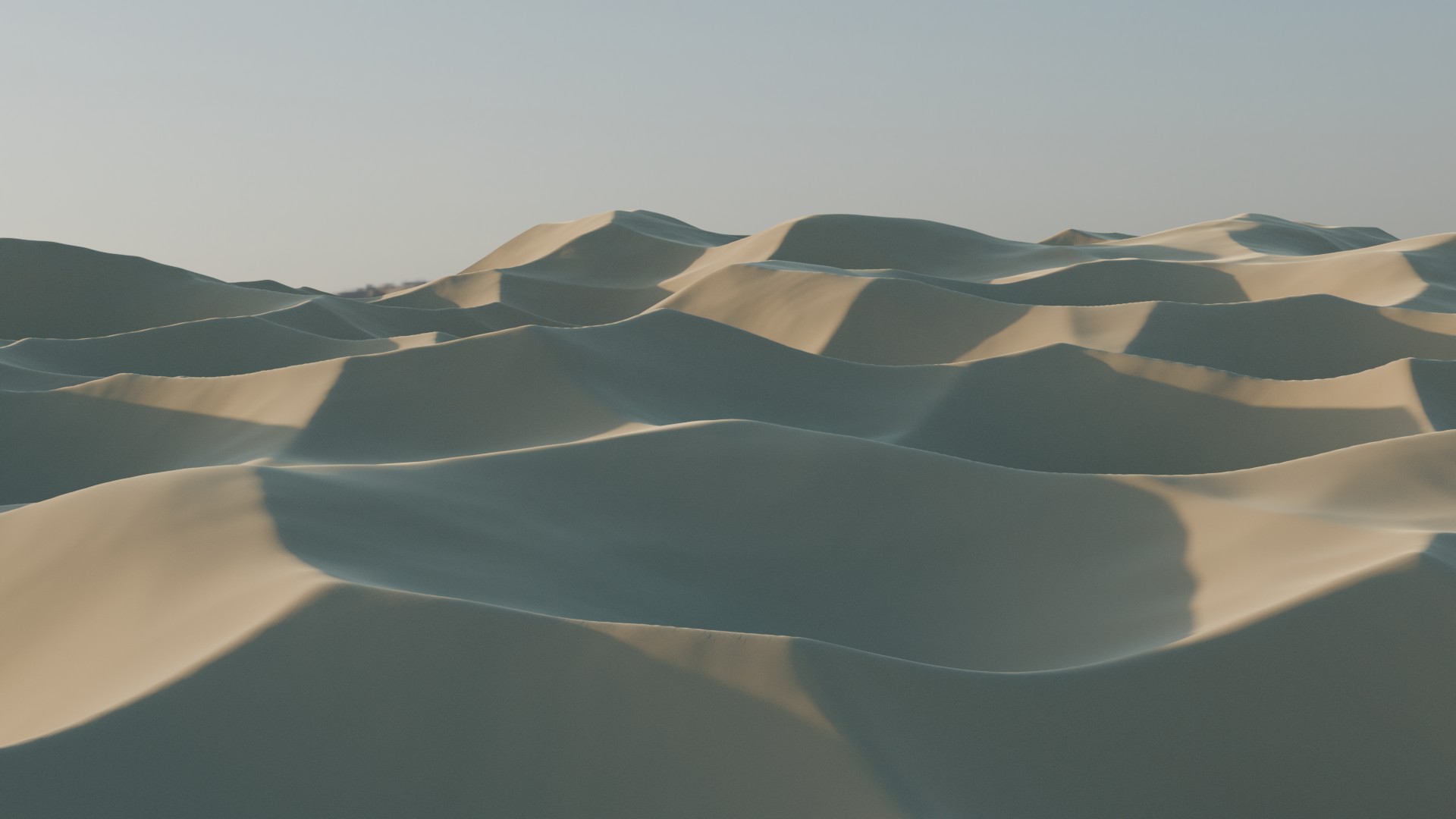
The setup he used for the basic sand wasn’t working quite right for me, so I improvised.
I used vector_math set to snapping plugged into a white noise texture.
I’d like to say thanks for the course. Your reminders to keep things tidy, has really been appreciated.
I’m looking forward to seeing where the course goes.
I have plans to use it. I just have to quit studying Blender and actually start working with it. Id that makes sense. I’m planning on using it for a very short animation and possibly for a video series that I want to do about GURPS.
Yeah, that makes a lot of sense. I was just curious how it worked; I never really used the shader in a project, it was more of a proof of concept. Because at the time, I didn’t see much in the way of toon shaders that worked with cycles.
I hope everything goes well, and you can make the series that you’re wanting to make.
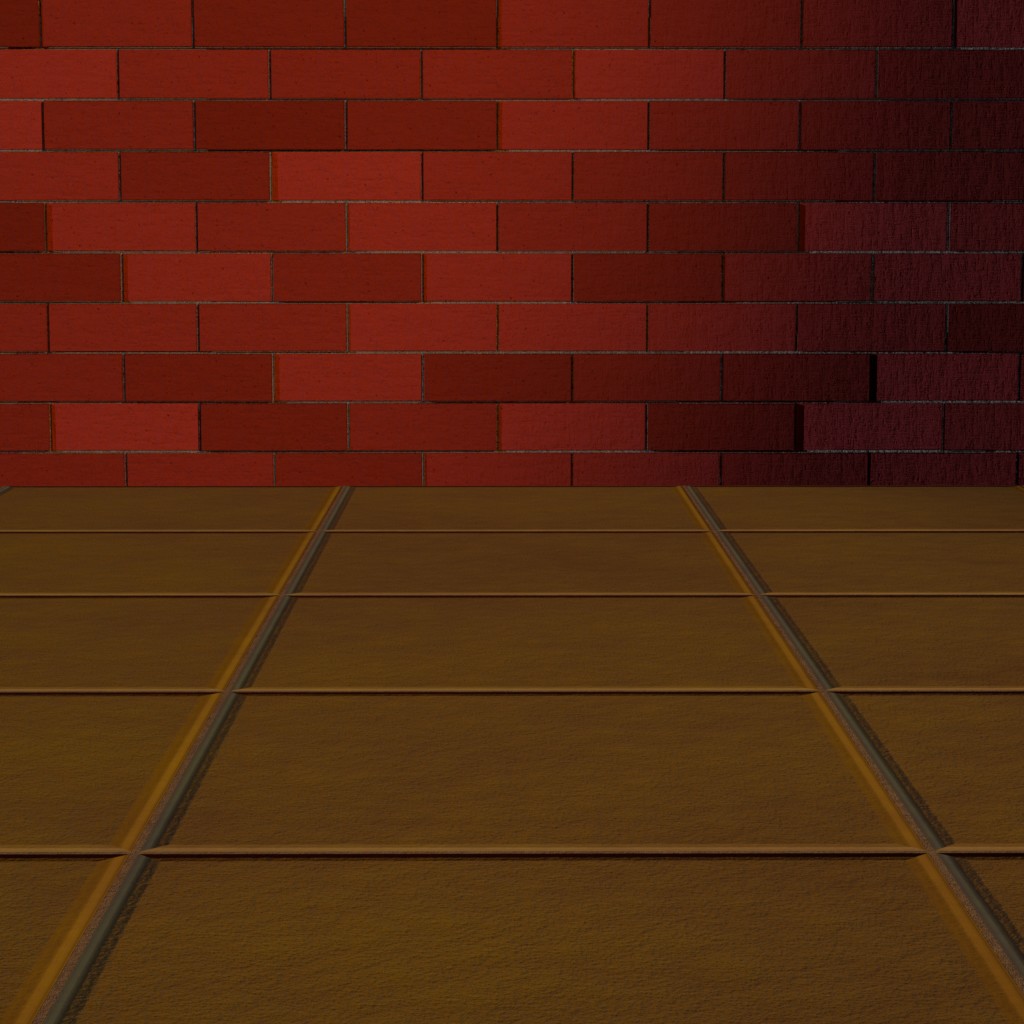
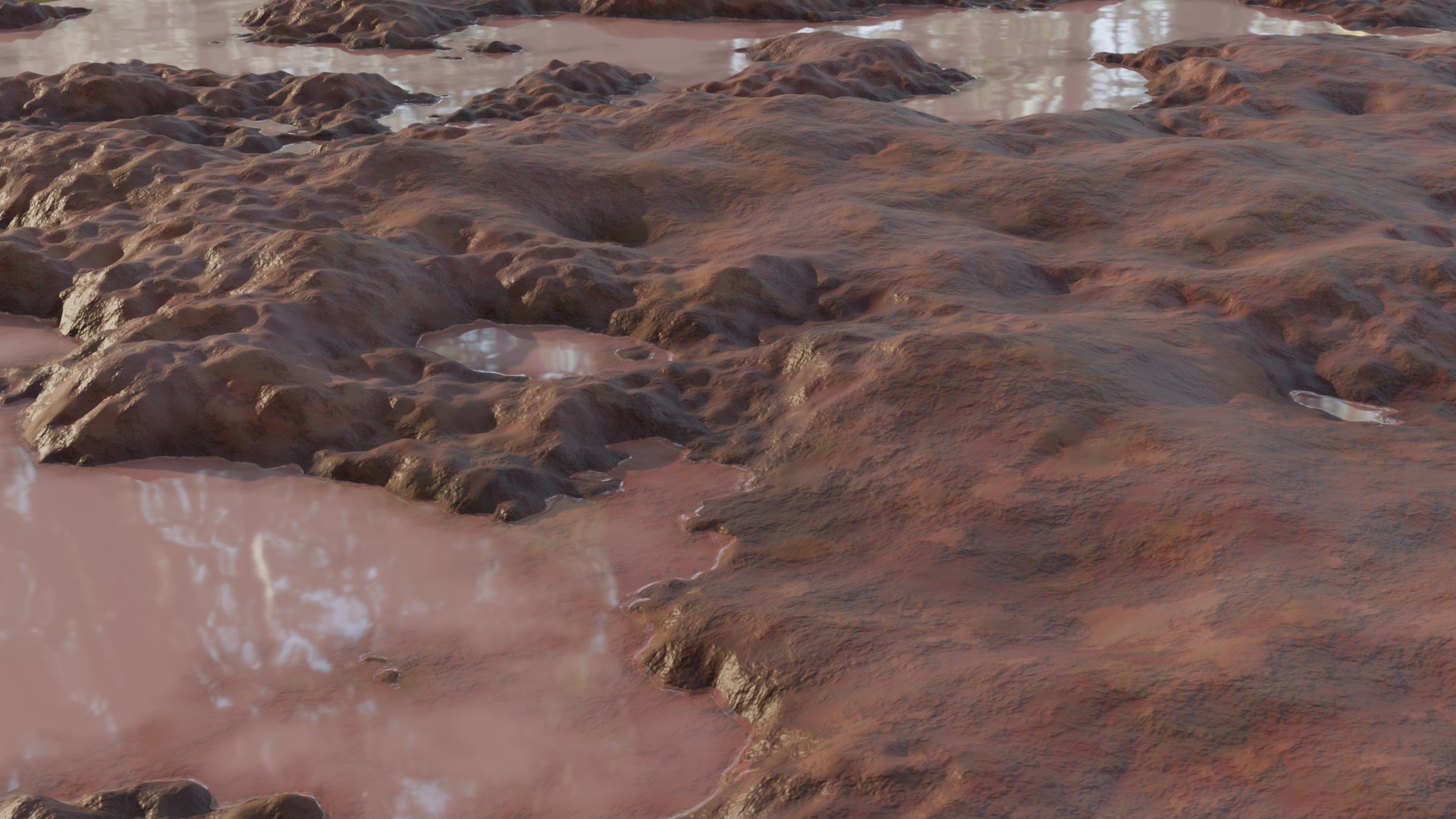
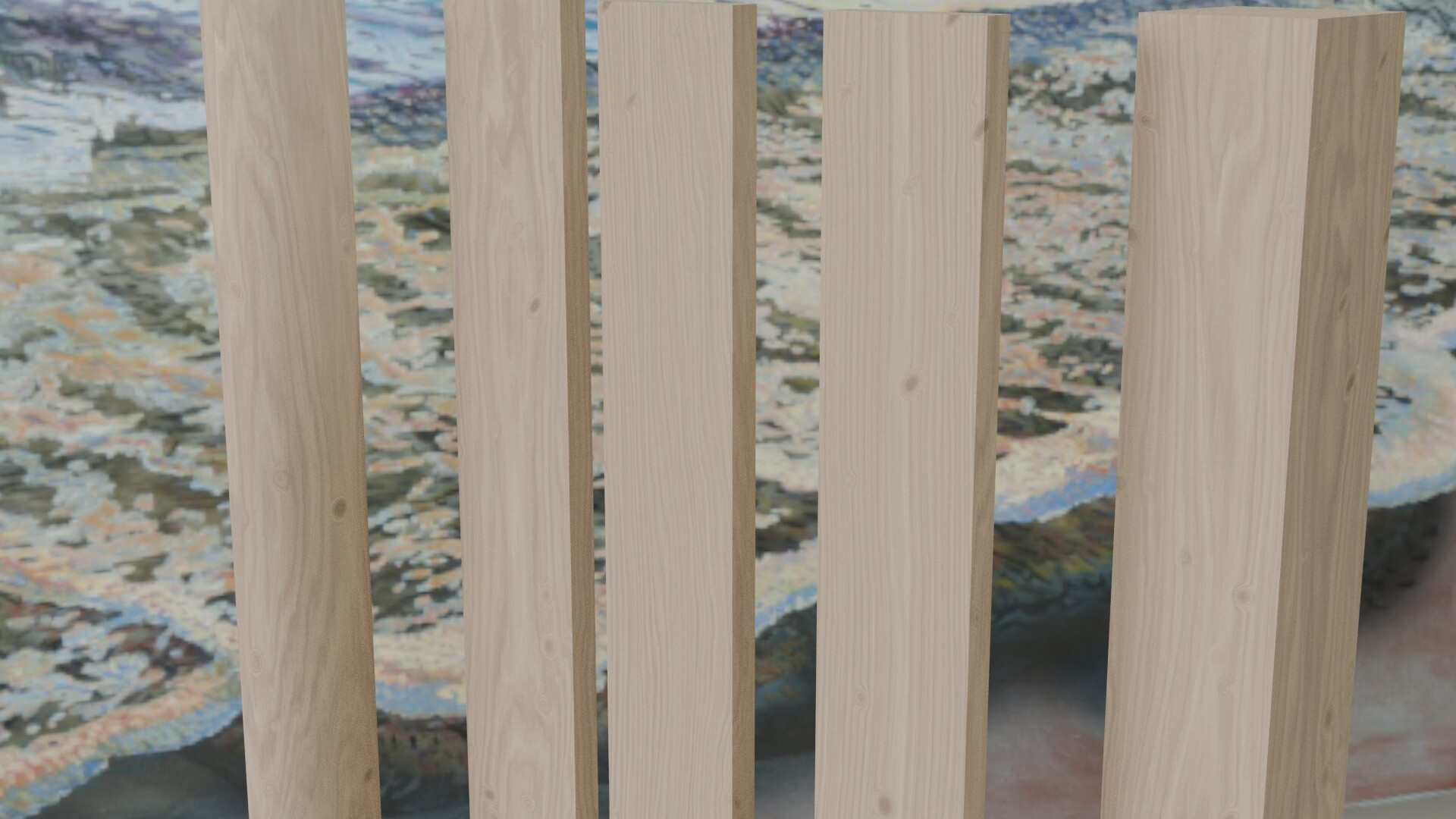
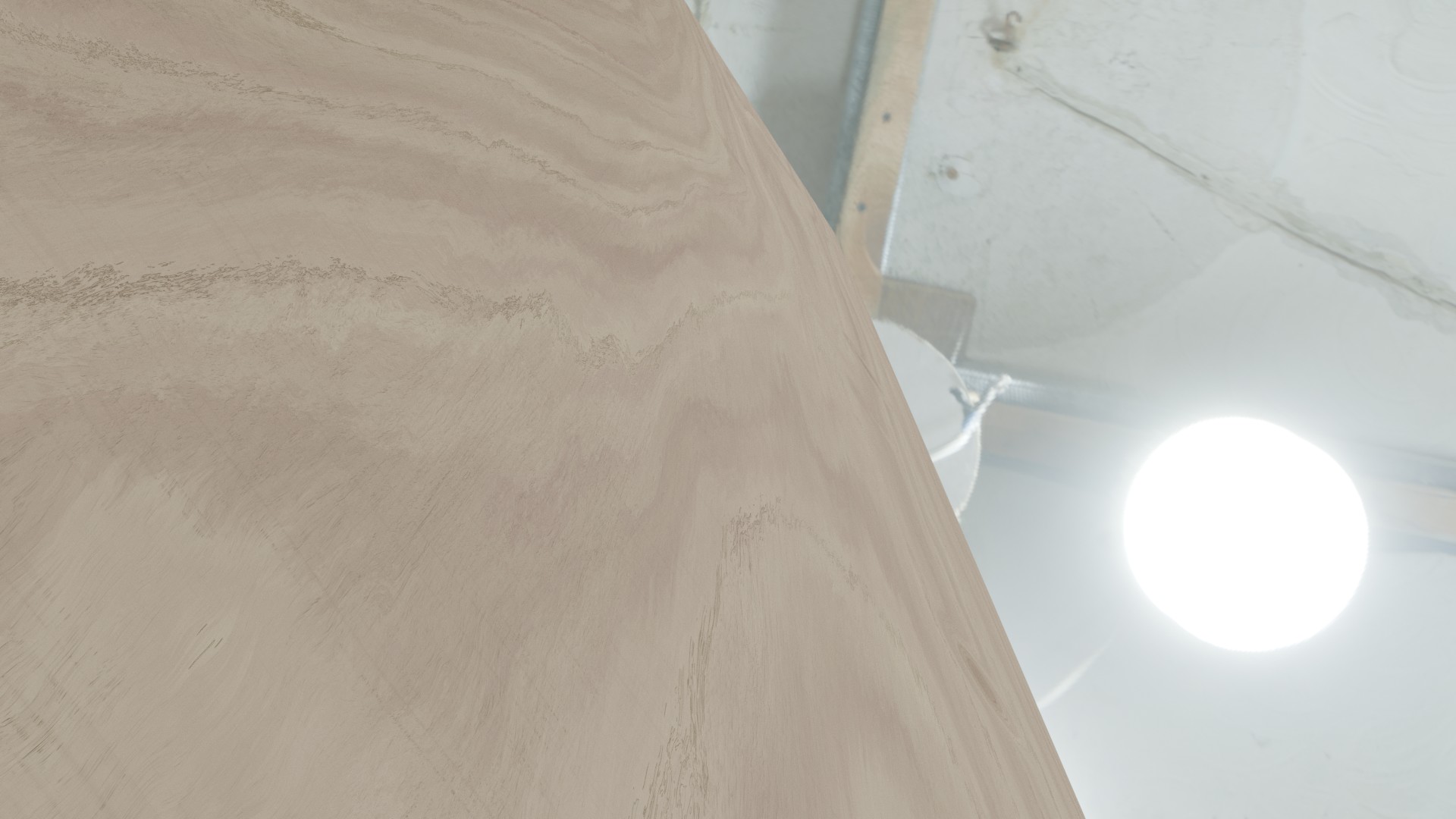
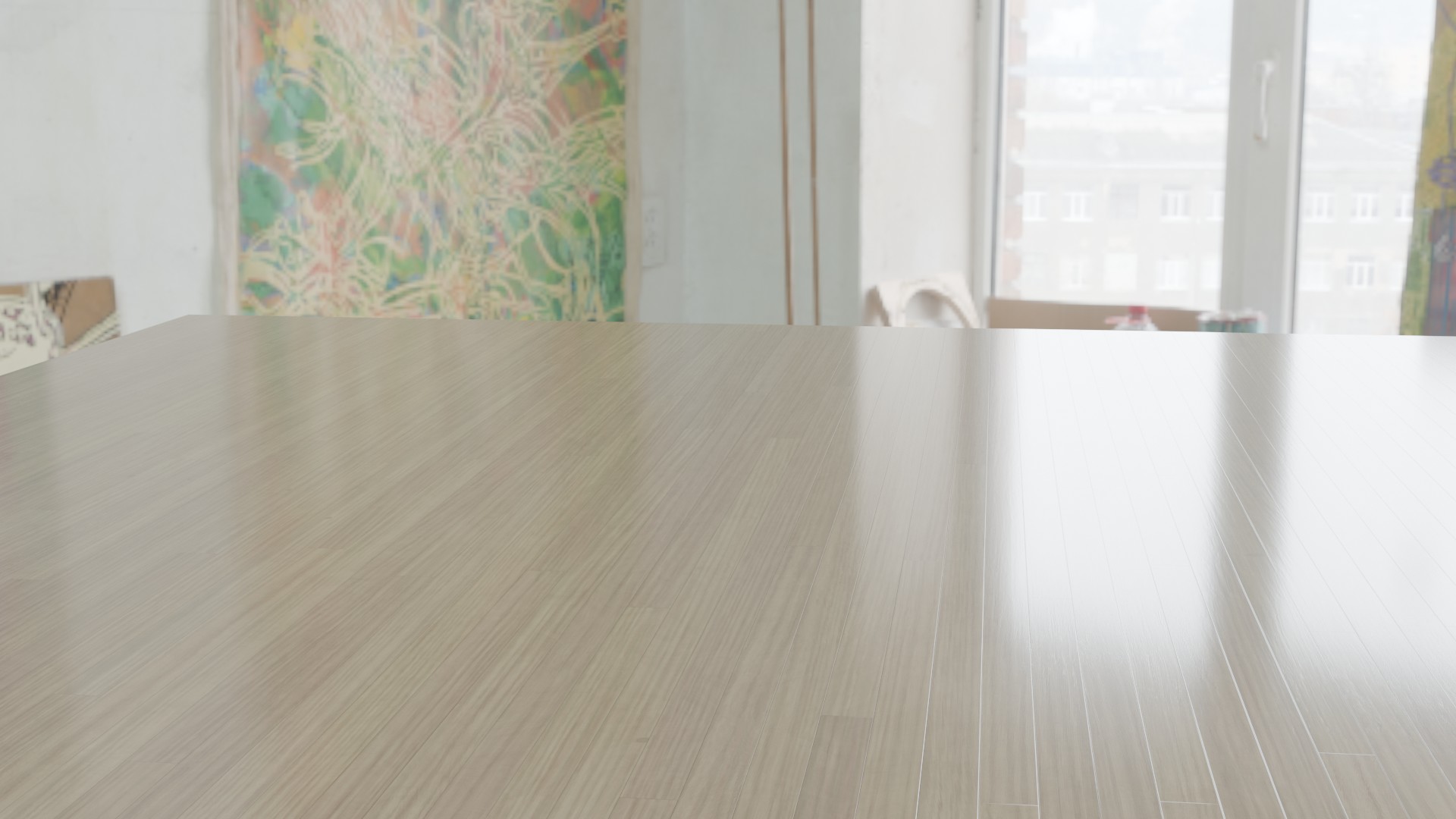
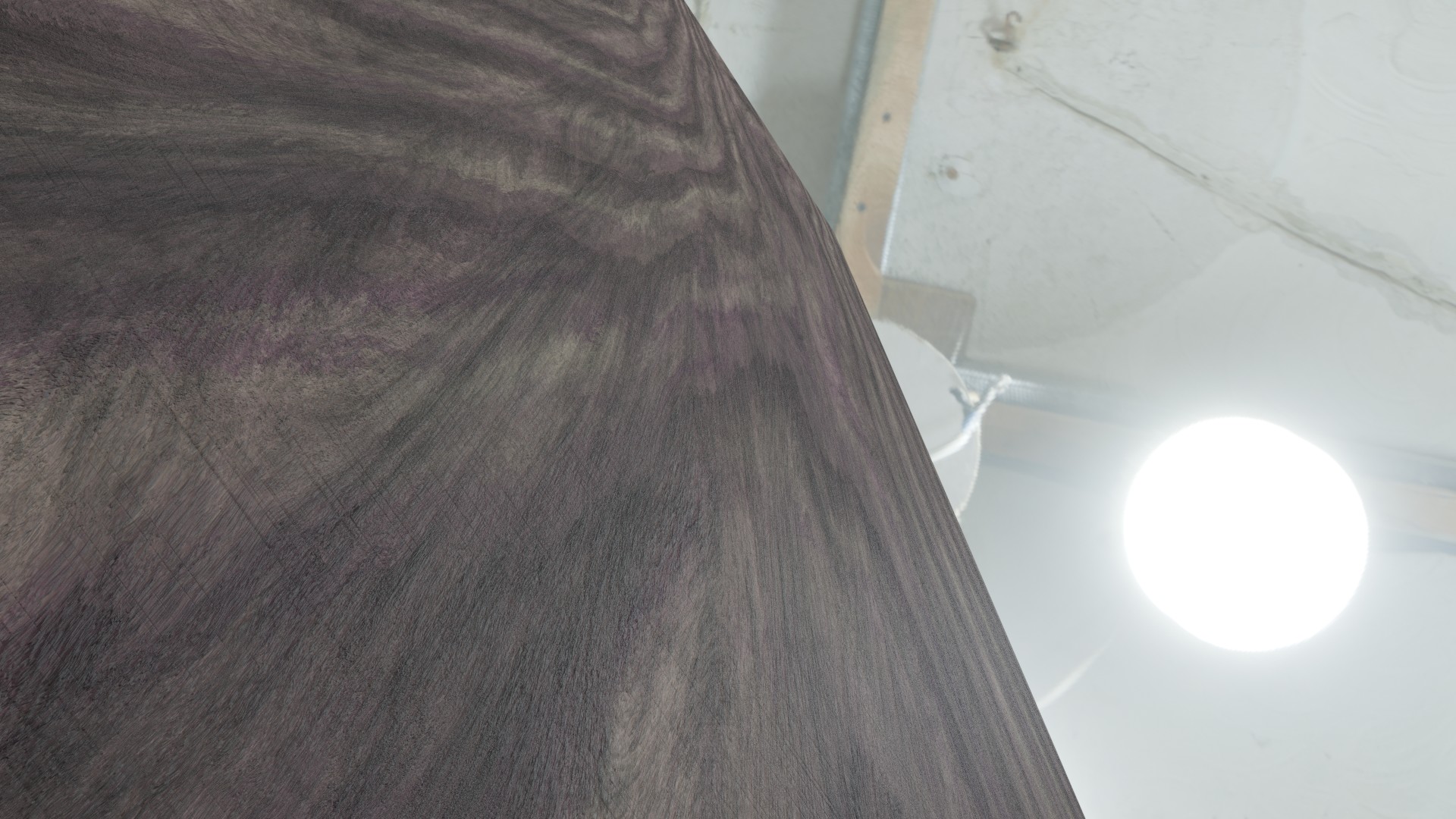
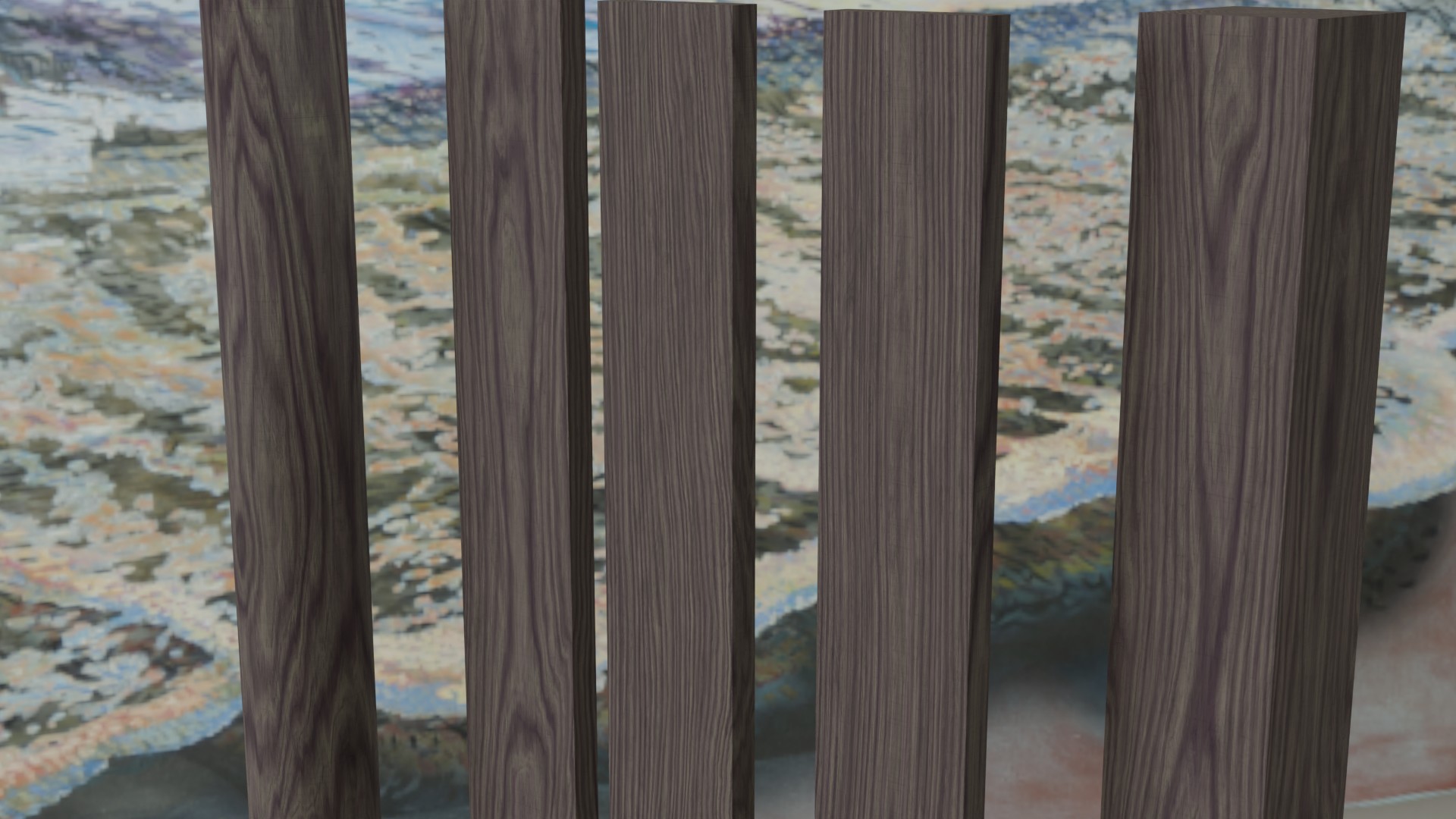
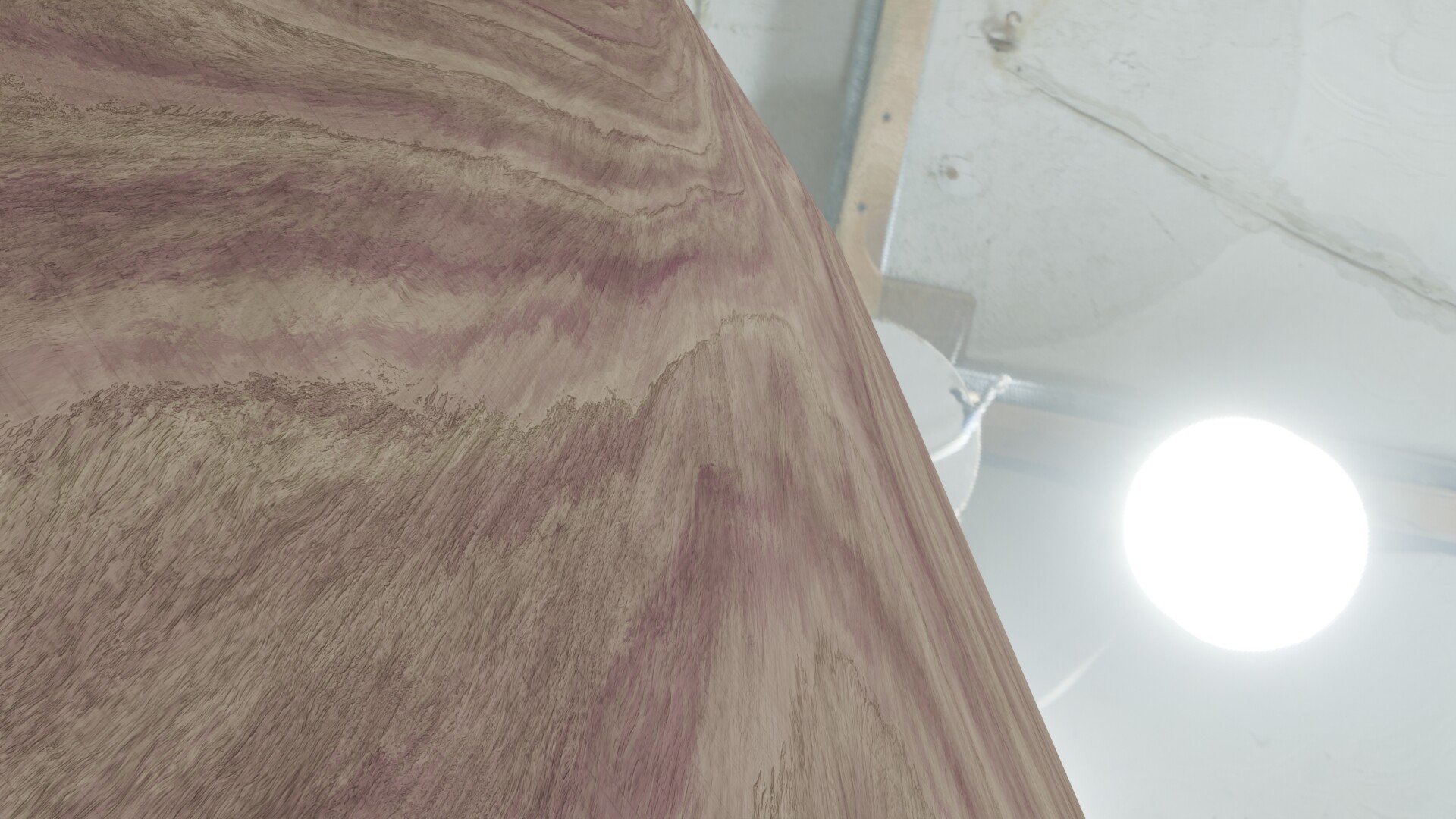
That wood shader looks awesome on that table!!! The color of the mud is spot on too, it has that sludgey, clay colour and consistancy that makes it feel so wet and organic. The worn cube looks nice too, that will be a shader you will use over and over.
Thanks. I didn’t even think of the plane looking like a table, but good to know.
It’s nice to hear that the type of mud that I was going for came through.
I hadn’t thought about reusing that shader; it was mostly a test of how to use the various generators that you taught in the course in a shader.
That concludes all the lessons. There is one more section after this to practice what you’ve learned. You’re given an entire scene that you can texture as you see fit.
My thoughts on the course:
The course was well paced and struck a pretty good balance between the technical and artistic sides of procedural texturing. And that fact that it comes with a practice scene is a definite bonus.
Thanks for the kind words, If i was able to make the course 30+ hours, I would have loved to go into more detail on some of the original Wizard Chambers materials. However, if there is enough interest, I’d be glad to do a deep dive or full tutorial on any of those materials for Youtube or as a future bonus lecture.
Due to some technical issues, I haven’t gotten around to taking a look at the Wizard Chambers yet. But I’ll be sure to take a look at the shaders when I get things sorted out; they sound like there could be some interesting in them.